Learn the common warning signs of apartment waterproofing issues, from water stains and mould to cracking and concrete damage. Discover when to act before defects become costly.
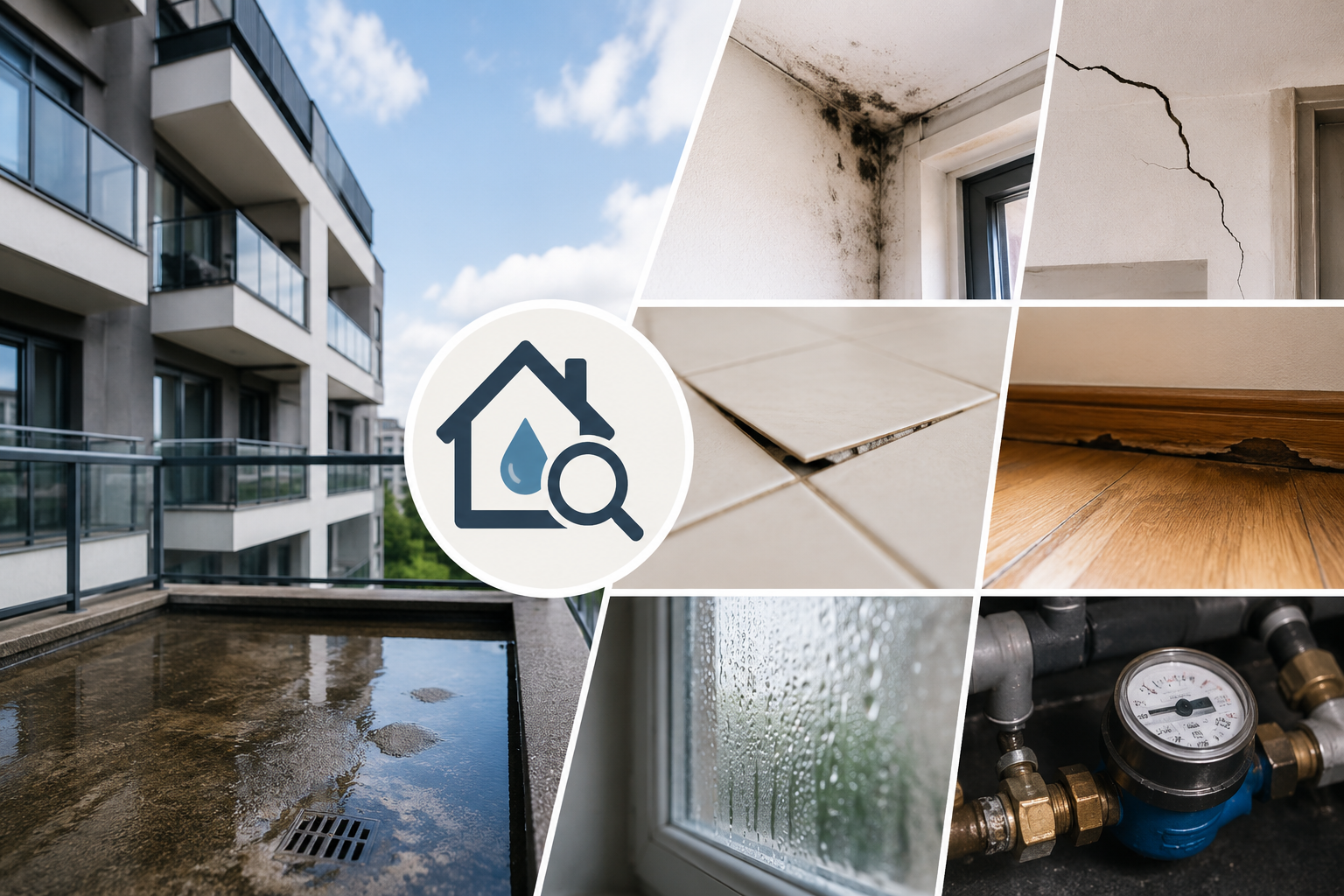
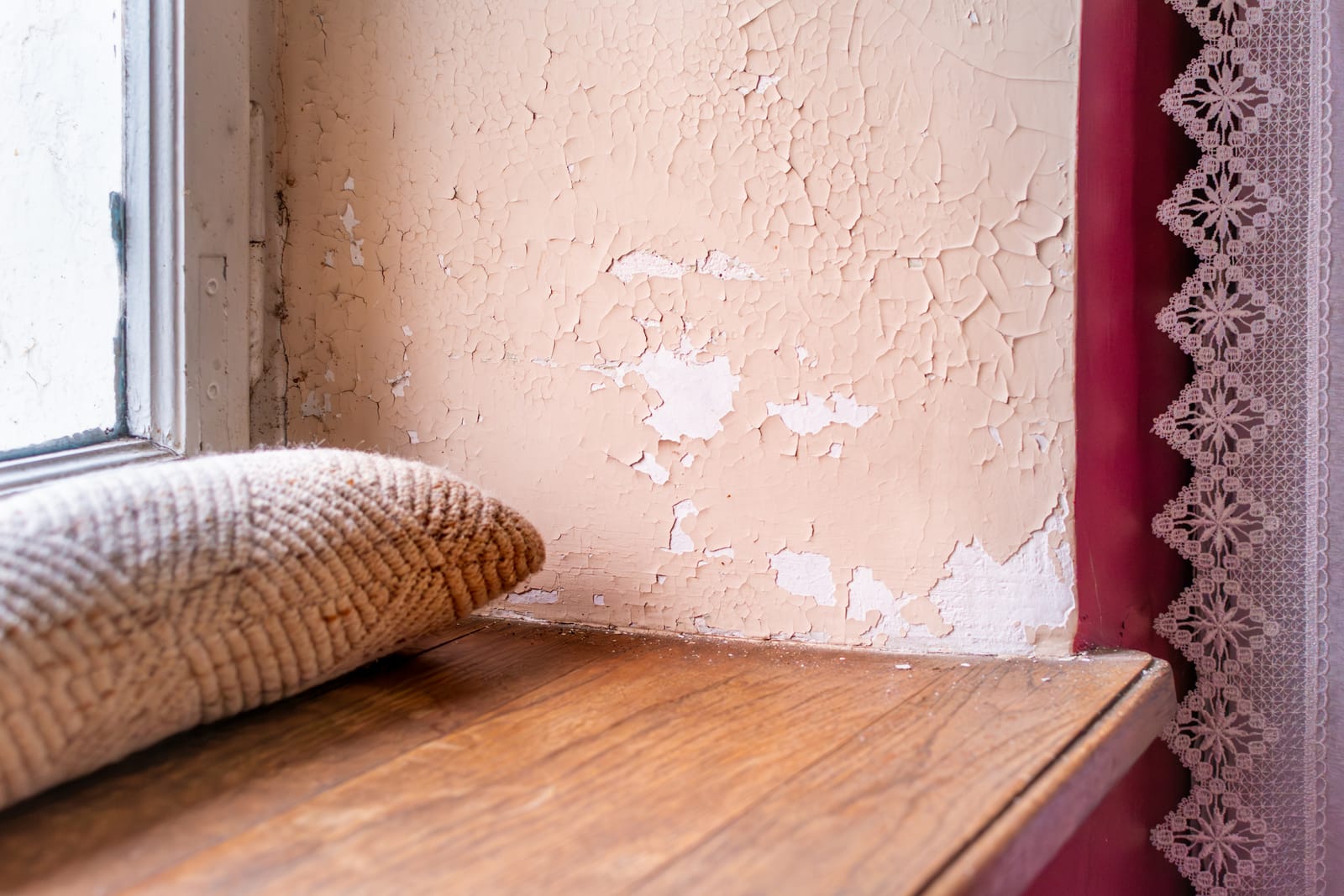
Not all waterproofing defects are obvious at first. From bubbling paint and mould growth to cracked tiles and concrete damage, early warning signs can point to serious underlying issues in apartment buildings. This article explains what strata managers, owners corporations, and property owners should look out for before minor defects become major remediation problems.
Waterproofing issues in apartment buildings are among the most common and costly problems facing property owners and managers in Australia. Left unchecked, these problems can lead to structural damage, health risks, and significant financial loss.
Recognising the early warning signs of waterproofing failure is the first step toward protecting your investment, ensuring occupant safety, and maintaining property value.
Waterproofing defects often develop out of sight, progressing quietly until visible damage appears. By the time stains or cracks are noticed, water may have already compromised structural elements, leading to expensive repairs and potential insurance complications. Early intervention can prevent minor issues from escalating into major remediation projects, saving time and money in the long run[1].
Unaddressed waterproofing issues can create slip hazards, promote mould growth, and undermine the integrity of concrete and steel reinforcements. These risks not only threaten occupant health and safety but can also result in non-compliance with Australian building codes and a reduction in property value[2]. Proactive maintenance and timely remediation are essential for safeguarding both people and assets.
CARAS brings deep expertise in waterproofing, remediation, and sustainable solutions for Australian apartment buildings. Our team provides:
If you’ve noticed any of these warning signs or want peace of mind about your building’s waterproofing, CARAS is here to help. Ready to see how we can help? Get in Touch
Look for persistent damp spots, water stains, bubbling paint, efflorescence, rust marks, and structural cracks. If you notice any of these, arrange a professional building inspection to assess the extent of the problem.
Concrete cancer refers to the deterioration of concrete caused by the corrosion of steel reinforcement inside. This process leads to cracking, spalling, and structural weakening, often triggered by water ingress and poor waterproofing[6].
Professional assessment ensures that the root cause of waterproofing defects is identified and addressed, rather than just treating visible symptoms. This approach prevents recurring issues and protects your investment[8].
[1] Strata Community Association (NSW). “Waterproofing Defects in Strata Buildings.” https://nsw.strata.community/waterproofing-defects-in-strata-buildings/
[2] Australian Building Codes Board. “Waterproofing in Buildings.” https://www.abcb.gov.au/news/2021/waterproofing-buildings
[3] Fair Trading NSW. “Common Building Defects.” https://www.fairtrading.nsw.gov.au/housing-and-property/strata-and-community-living/strata-building-defects/common-building-defects
[4] Queensland Building and Construction Commission. “Waterproofing in Residential Buildings.” https://www.qbcc.qld.gov.au/home-building-owners/maintenance-repairs/waterproofing
[5] Cement Concrete & Aggregates Australia. “Efflorescence: Causes, Prevention and Repair.” https://www.ccaa.com.au/imis_prod/documents/Library%20Documents/CCAA%20Datasheets/Efflorescence.pdf
[6] Engineers Australia. “Concrete Cancer: What Is It and How Can It Be Fixed?” https://www.engineersaustralia.org.au/News/concrete-cancer-what-it-and-how-can-it-be-fixed
[7] Master Builders Association NSW. “Identifying and Repairing Structural Cracks.” https://www.mbansw.asn.au/news/identifying-and-repairing-structural-cracks
[8] Strata Community Association (NSW). “Why Professional Building Inspections Matter.” https://nsw.strata.community/why-professional-building-inspections-matter/

Sydney Office
Level 2 / 63 Foveaux Street
Surry Hills NSW 2010
Adelaide Office
335 Carrington Street
Adelaide SA 5000
Phone: (02) 9929 2362