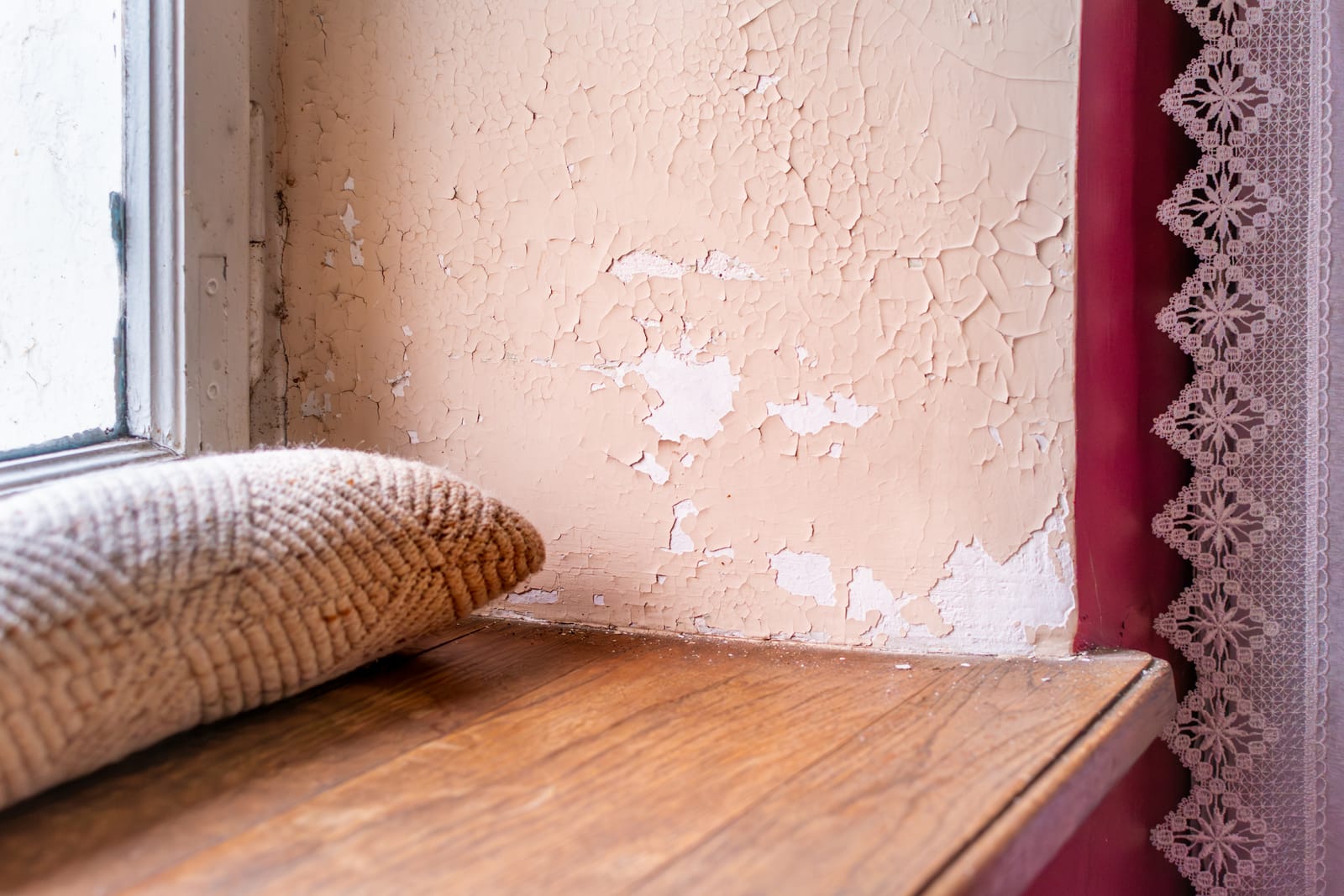
Discover 8 often-overlooked signs of waterproofing failure in apartment buildings. Learn how to identify moisture issues early and avoid costly remediation with expert advice from CARAS.
Waterproofing failures rarely appear all at once. More often, they begin with subtle clues, small changes in finishes, unusual smells, or minor shifts in how materials behave. These early indicators are easy to overlook, but they often signal deeper moisture problems that can escalate into structural damage, mould growth, and costly remediation if left unaddressed.
This article outlines eight additional warning signs that apartment owners, strata committees, and building managers should monitor closely. While each sign on its own may seem minor, together they can reveal a building at risk.
Moisture rarely stays in one place. Once it enters a building, it can travel through concrete, timber, and finishes, affecting areas far from the original leak. That’s why early, seemingly unrelated symptoms are so important, they often appear before major damage becomes visible.
These indicators help you:
Understanding these clues gives owners and committees a clearer picture of building health and helps guide timely, informed decisions.
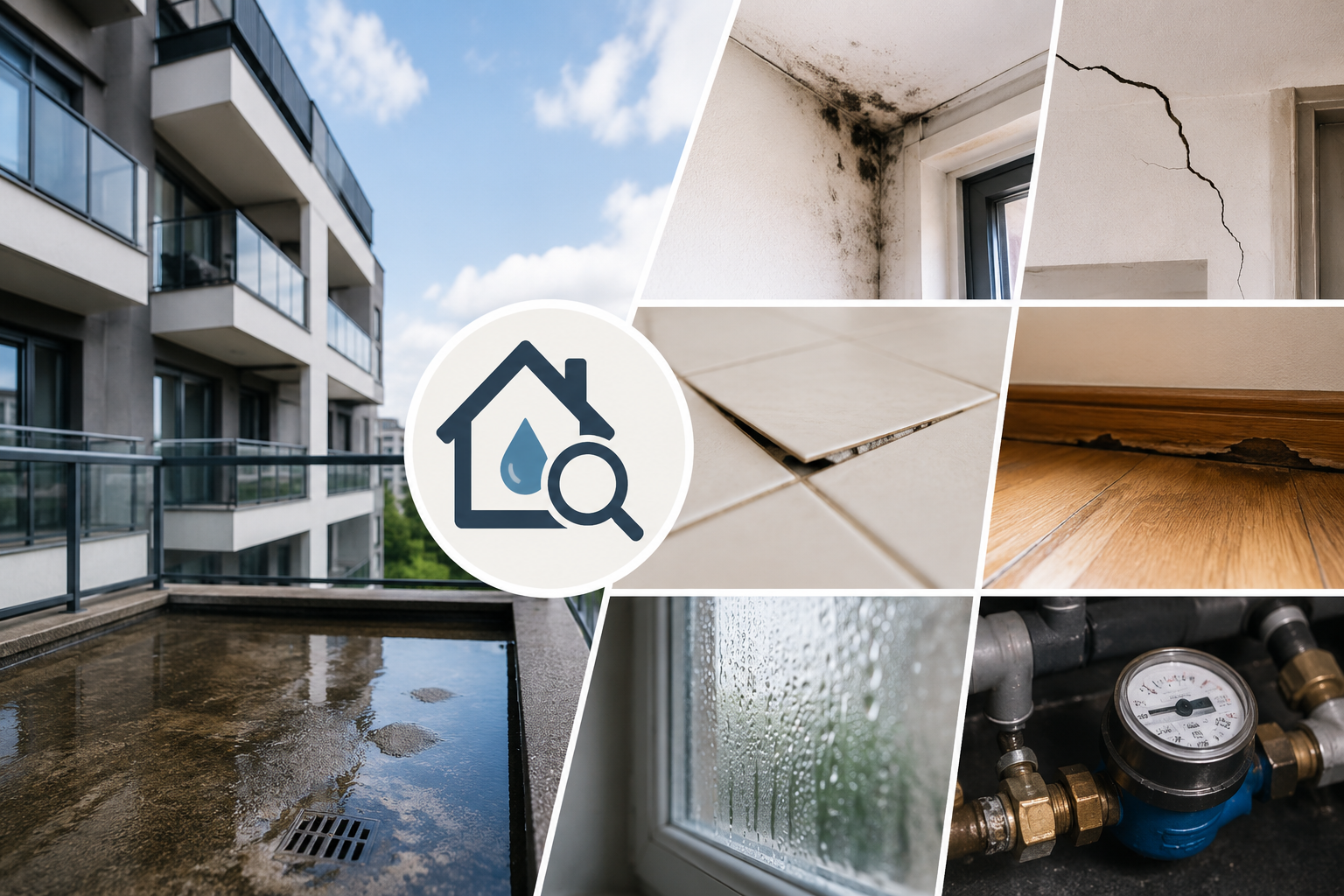
Cracks that widen over time, especially around windows, doors, or floor junctions, can indicate movement caused by moisture intrusion. Water can weaken substrates, leading to structural stress that shows up as cracking. While not all cracks are serious, those linked to moisture require prompt investigation.
Tiles that sound hollow when tapped, or begin lifting or cracking, often point to a failed waterproofing membrane beneath. Once moisture gets under tiles, it compromises adhesion and can spread quickly across wet areas, balconies, and common corridors.
Skirting boards, door frames, and timber flooring that appear swollen, bowed, or rotted are strong indicators of moisture ingress. Timber absorbs water readily, making it one of the earliest materials to show signs of hidden leaks.
Persistent ponding on balconies, rooftops, or common walkways suggests poor drainage or failed waterproofing. Standing water accelerates membrane deterioration and increases the risk of leaks into apartments below.
A lingering damp smell — even when no moisture is visible — is one of the most reliable signs of hidden mould. This often indicates moisture trapped behind walls, under flooring, or within ceiling cavities.
Mould that returns quickly after cleaning is a clear sign of an ongoing moisture source. Bathrooms, corners, wardrobes, and behind furniture are common hotspots. Persistent mould is both a health risk and a symptom of deeper waterproofing issues.
Excessive condensation on windows or walls, despite good ventilation, suggests moisture imbalance within the building. This can be caused by hidden leaks, poor drainage, or failing membranes allowing moisture to migrate through the structure.
Sudden increases in the building’s water usage often indicate a concealed plumbing leak. These leaks may not be visible but can cause significant damage over time, especially when located within walls or slabs.
While each of these indicators may seem minor, they often point to:
Ignoring these signs can lead to more serious issues such as concrete cancer, widespread mould, and major remediation works.
CARAS provides independent, expert guidance to help owners and committees understand the true condition of their building. Our team delivers:
We help you protect your building, your residents, and your long‑term asset value.
If you’ve noticed any of these warning signs or simply want peace of mind CARAS is ready to help.

Sydney Office
Level 2 / 63 Foveaux Street
Surry Hills NSW 2010
Adelaide Office
335 Carrington Street
Adelaide SA 5000
Phone: (02) 9929 2362